As we recognize National Handwashing Awareness Week, South Arkansas Regional Hospital (SARH) is proud to help raise awareness about one of the simplest and most effective ways to protect yourself and others: proper hand hygiene. Clean hands prevent illness, reduce the spread of infection, and help keep our community safe, especially during peak cold and flu seasons.
Handwashing may seem basic, but consistent and correct hygiene practices provide powerful protection. This week serves as an important reminder that small habits can make a big impact on community health.
Why Handwashing Matters for Community Health
Germs spread easily through daily activities such as opening doors, touching surfaces, preparing food, caring for children, or shaking hands. Many infections are transmitted through hands, including:
- Respiratory illnesses like colds, flu, and RSV
- Gastrointestinal infections such as norovirus
- Foodborne illnesses caused by bacteria like salmonella or E. coli
Practicing proper hand hygiene helps:
- Reduce the spread of bacteria and viruses
- Protect vulnerable loved ones, including children and older adults
- Prevent unnecessary doctor and emergency room visits
- Maintain healthier schools, workplaces, and public environments
Clean hands truly are a first line of defense against preventable illness.
When Should You Wash Your Hands?
The Centers for Disease Control and Prevention (CDC) recommends washing your hands regularly throughout the day, especially during these common scenarios:
- After using the restroom
- Before eating or preparing food
- After coughing, sneezing, or blowing your nose
- After caring for someone who is ill
- After touching pets or animals
- After handling trash
- When returning home from public spaces
Building these moments into your routine helps prevent the spread of infections across families, classrooms, and workplaces.
The Five Steps to Proper Handwashing
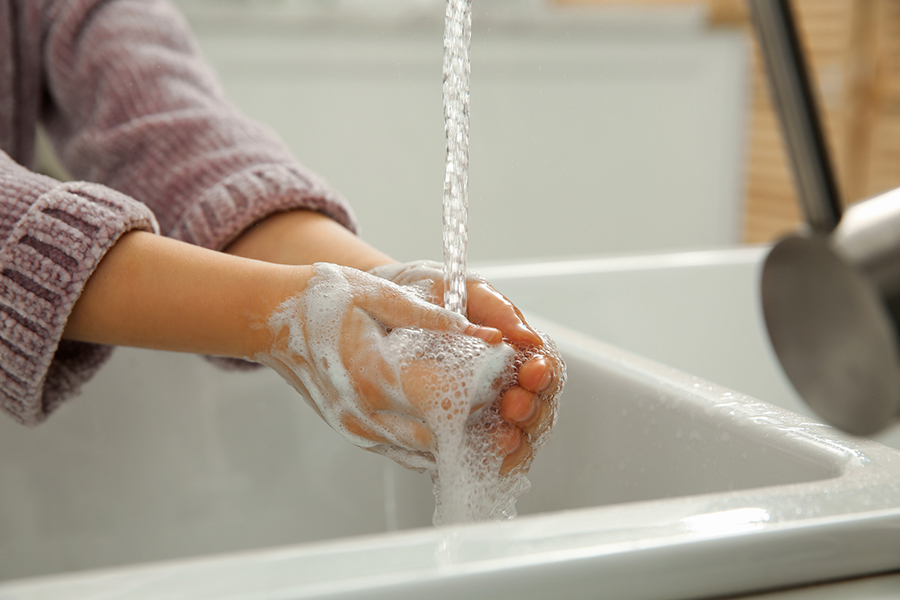
Effective handwashing is more than a quick rinse. Follow these CDC-recommended steps:
- Wet your hands with clean, running water.
- Lather by rubbing your hands together with soap, including the backs of your hands, between your fingers, and under your nails.
- Scrub for at least 20 seconds, about the time it takes to hum Happy Birthday twice.
- Rinse thoroughly under clean, running water.
- Dry using a clean towel or air dryer.
When soap and water aren’t available, use a hand sanitizer containing at least 60% alcohol.
Hand Hygiene for Children: Teaching Healthy Habits Early
Kids touch everything, which means they also pick up germs easily. Teaching them strong handwashing habits helps protect classrooms, childcare centers, and families at home.
Encourage children to wash their hands:
- Before meals and snacks
- After outdoor play
- After using the bathroom
- After coughing or sneezing
- Whenever hands look or feel dirty
Parents and caregivers can model healthy behaviors, use songs or timers during handwashing, and keep hand sanitizer readily available when out in the community.
How Handwashing Supports Hospital and Community Safety
At SARH, we emphasize hand hygiene as part of our commitment to patient safety and high-quality care. Proper handwashing among patients, visitors, and healthcare professionals helps:
- Prevent healthcare-associated infections
- Protect individuals with weakened immune systems
- Reduce the risk of transmission in waiting rooms and treatment areas
By practicing good hygiene at home, you also help protect our hospitals and clinics by reducing preventable illness and preserving resources for those who need them most.
Working Together for a Healthier South Arkansas
National Handwashing Awareness Week is a perfect opportunity to recommit to simple habits that help everyone stay safe. Clean hands save lives, which means your efforts at home, work, school, or on the go make a meaningful difference.
At South Arkansas Regional Hospital, we’re honored to support your family’s health all year long. Together, we can strengthen our community’s well-being—one clean pair of hands at a time.